
Stamped and Colored Concrete
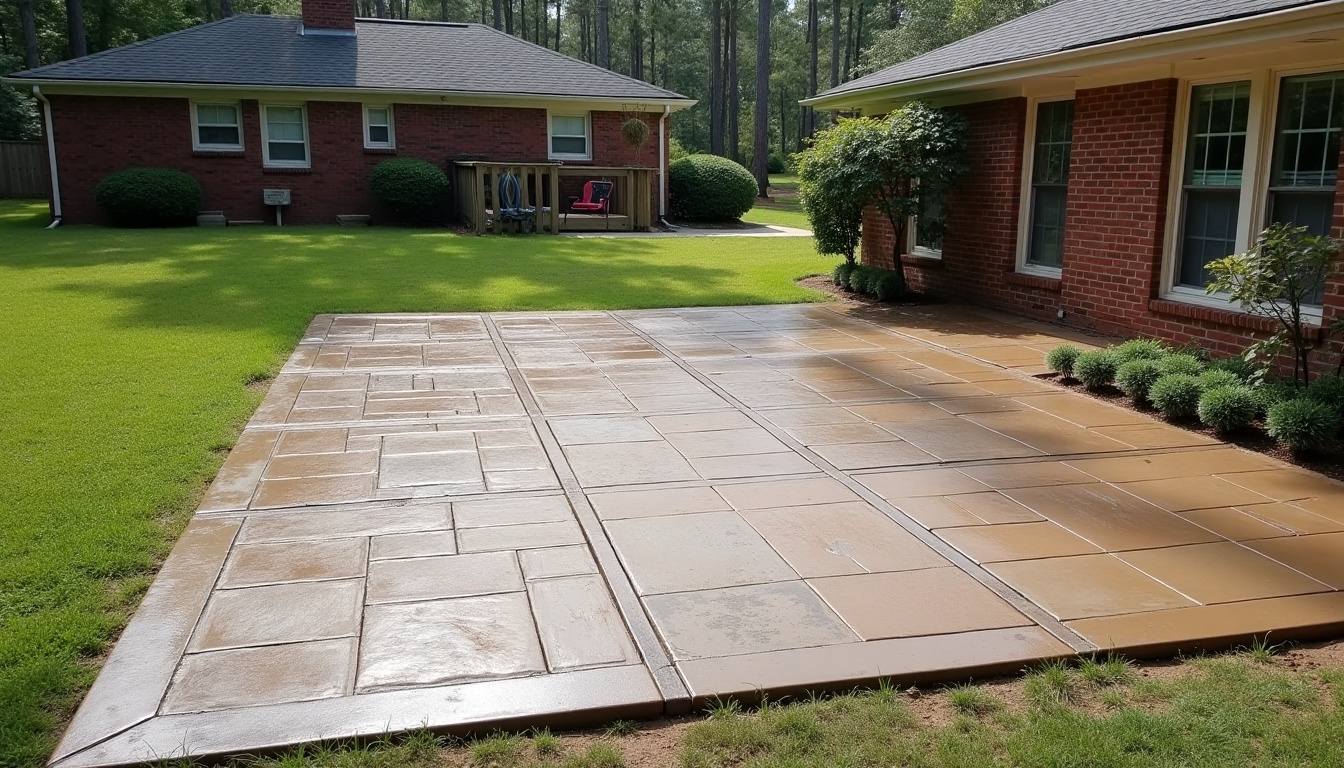
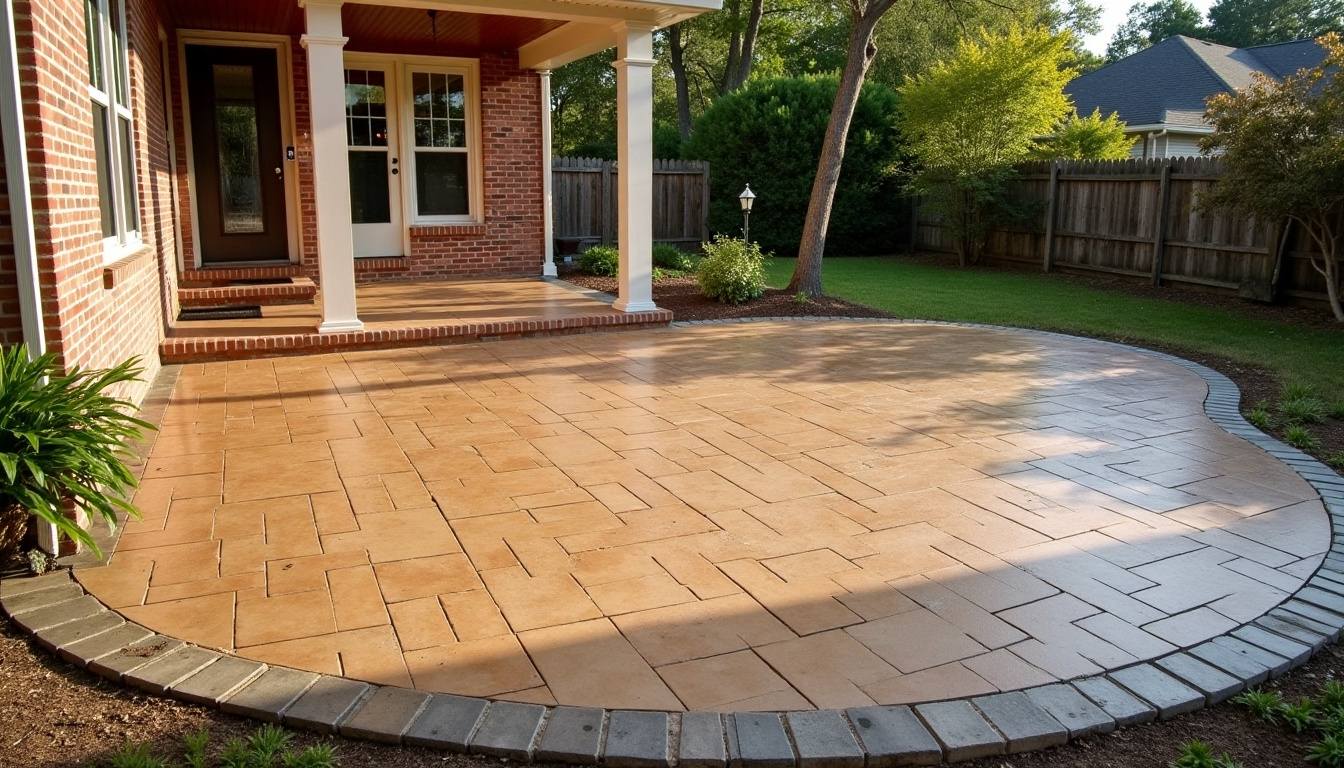
Stamped concrete is one continuous slab that has been colored and pressed with patterned mats while it is still soft, so it cures looking like cut stone, slate, brick or weathered wood plank. There are no individual pieces to shift, no sand joints for weeds and ants, and nothing to relay after a wet year. For a back patio, a pool deck or a front walk, it is the most direct way to get a finished, designed look out of poured concrete.
We install stamped concrete and colored concrete for homes and businesses. The base work underneath is the same as for any slab we pour. What changes is everything that happens in the two or three hours after the truck arrives.
Patterns and colors
Pattern is the first choice. Ashlar slate, a mix of squares and rectangles with a split-stone texture, is the one most people have seen and suits nearly any house. Random stone and flagstone patterns look less formal and hide dirt well. Brick and cobble patterns fit older homes and make good borders. Wood plank looks at home on a porch or around a pool. There are also seamless texture skins that give the surface of stone with no joint lines at all, a quiet option for large areas.
Color comes in two layers. The base color is either mixed through the concrete at the plant, called integral color, or broadcast onto the surface as a color hardener and floated in. Integral color runs the full depth of the slab, so a chip does not show gray. A second, darker accent color goes on with the release agent that keeps the mats from sticking. It settles into the low spots of the texture and gives the surface the uneven, natural shading that makes it read as stone instead of painted concrete.
If you want color without a pattern, a plain colored slab with a broom or light texture finish is a good choice for driveways and walks. We go through pattern and color options at the site visit, and it helps to pick shades that sit well with your brick, siding and roof.
Where stamped concrete works best
Patios are the most common use, followed by front walks and entries, pool decks and porch floors. A stamped border around a plain slab is a cost-conscious way to dress up a larger area.
Driveways can be stamped too, though for a long drive most owners choose plain broom-finish flatwork for the run and save the pattern for the apron by the house or a band across the entrance. A deep texture on a steep drive can also hold water and grit, so a light pattern is the better fit there.
Around pools and on any slope, traction comes first. We use lighter textures in those spots and add a grip additive to the sealer so the surface is not slick when wet. Sloped back yards are common on the lake lots around Coronaca, and a patio there often needs a wall to hold the slope before a level slab is possible.
How stamping is done
The ground prep is the same as for any exterior slab on red clay: the clay is cut to grade and compacted, crushed stone goes down and is compacted, forms are set with a slope for drainage, and reinforcement is placed where needed. Decorative work is no more forgiving of a poor base than plain concrete. A crack through a slate pattern is harder to live with than a crack in a broom finish, so joints are planned ahead and worked into the pattern lines wherever possible.
On pour day the concrete is placed, struck off and floated flat. If color hardener is being used it goes on now and is worked into the surface. Then the crew waits for the slab to reach the right stiffness: firm enough to hold a crisp impression, soft enough to take one. Release agent goes down, the mats are laid in sequence and tamped, and the crew works across the slab without stopping. Edges and tight spots are finished with hand tools and texture skins.
Timing is the whole job. With summer highs in the 90s, a slab can pass through its stamping window in minutes, which is why stamped pours here start early in the morning and why large areas are broken into sections that can each be stamped in time. After the concrete has set, the extra release is washed off, joints are cut where needed and the surface is left to cure before sealing.
Sealing and upkeep
Sealer is what gives stamped concrete its depth of color and protects it. It keeps water, leaf stains, grease from the grill and pool chemicals from soaking in, and it slows the fading that strong sun causes in any colored surface. It also matters in winter. On the freeze and thaw nights this area gets each year, a sealed surface takes in less water and is far less likely to flake.
Upkeep is simple. Sweep it, rinse it with a garden hose, and wash it with mild soap when it needs it. Skip harsh degreasers and keep a pressure washer tip well back from the surface. Do not use de-icing salt on it in the first winter. Plan on resealing every few years, sooner in full sun or under heavy foot traffic. When water stops beading and the color starts to look flat and chalky, it is time. A fresh coat brings the color straight back.
Stamped compared with plain concrete on cost
Stamped concrete costs more than a plain broom finish on the same footprint, and the difference is labor and materials on top of the same slab: color, release, the stamping itself with a larger crew on site during the critical window, detail work, washing and sealing. Multiple colors, hand-stained accents, borders in a second pattern and complicated shapes each add to it. Size works in your favor up to a point, since setup is the same for a small patio as a large one.
Against natural stone or pavers set on a base, stamped concrete is usually the less expensive route to a similar look, and it goes in faster. Every job is priced after someone has walked the ground and measured it, with the price in writing before a truck is ordered. Ask us to price the same area plain, colored and stamped if you want to see the steps between them.
Related
Concrete Driveways and Flatwork
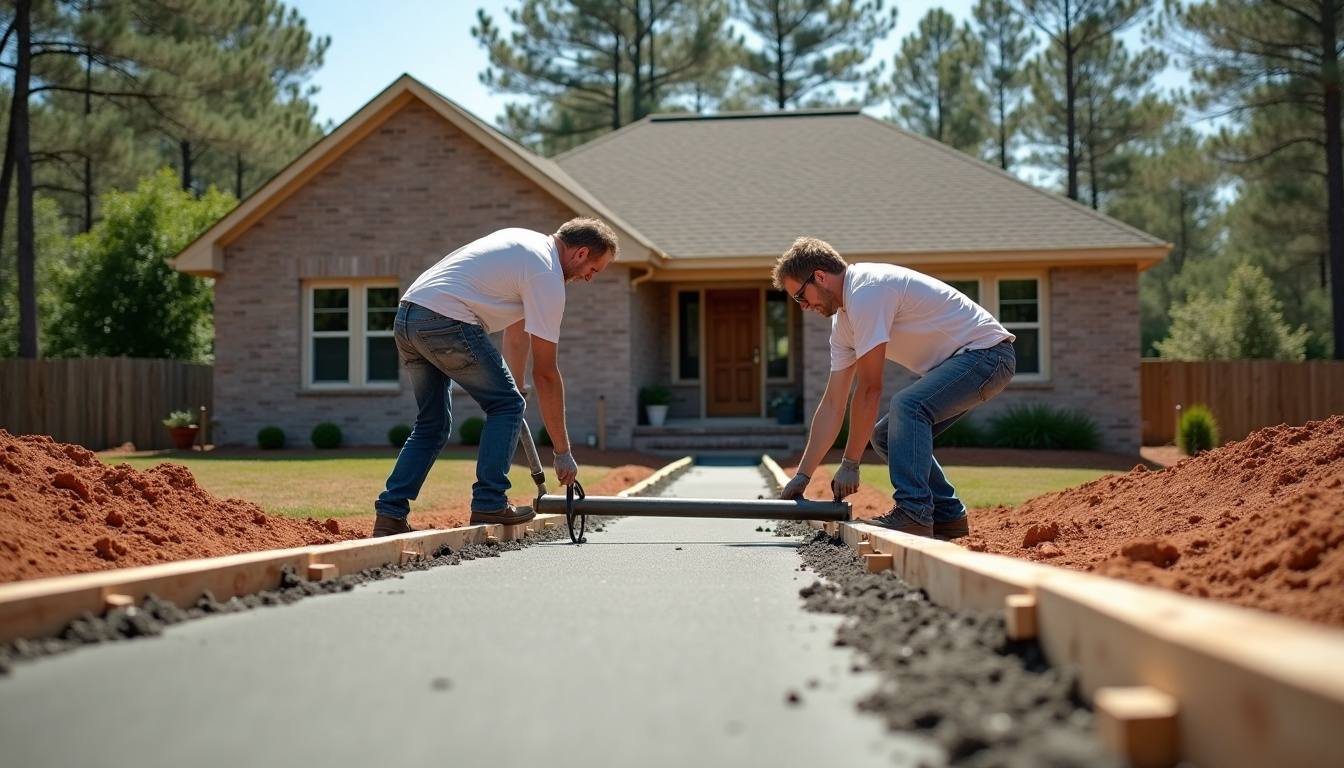
Built on a compacted stone base with joints and mix chosen for red clay.
Retaining Walls and Drainage
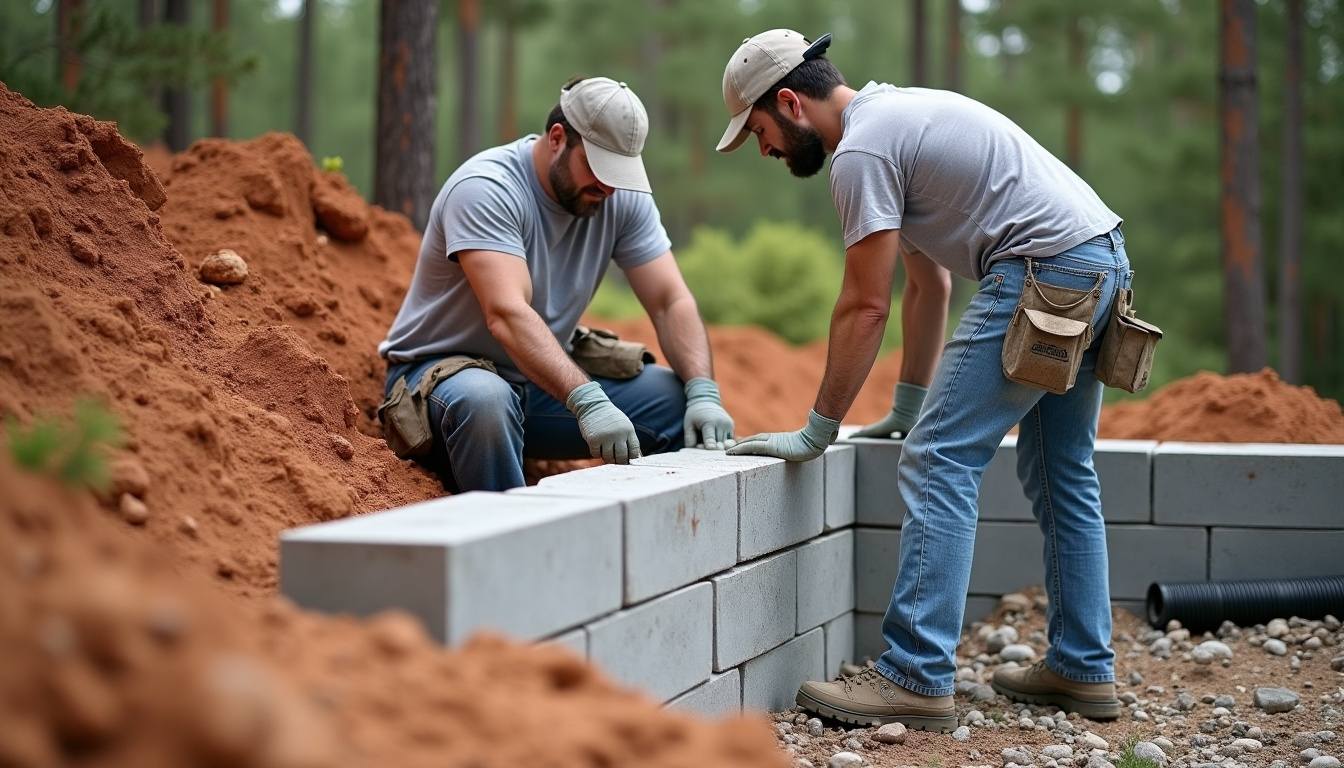
Built with stone backfill and drain pipe so clay cannot push them over.
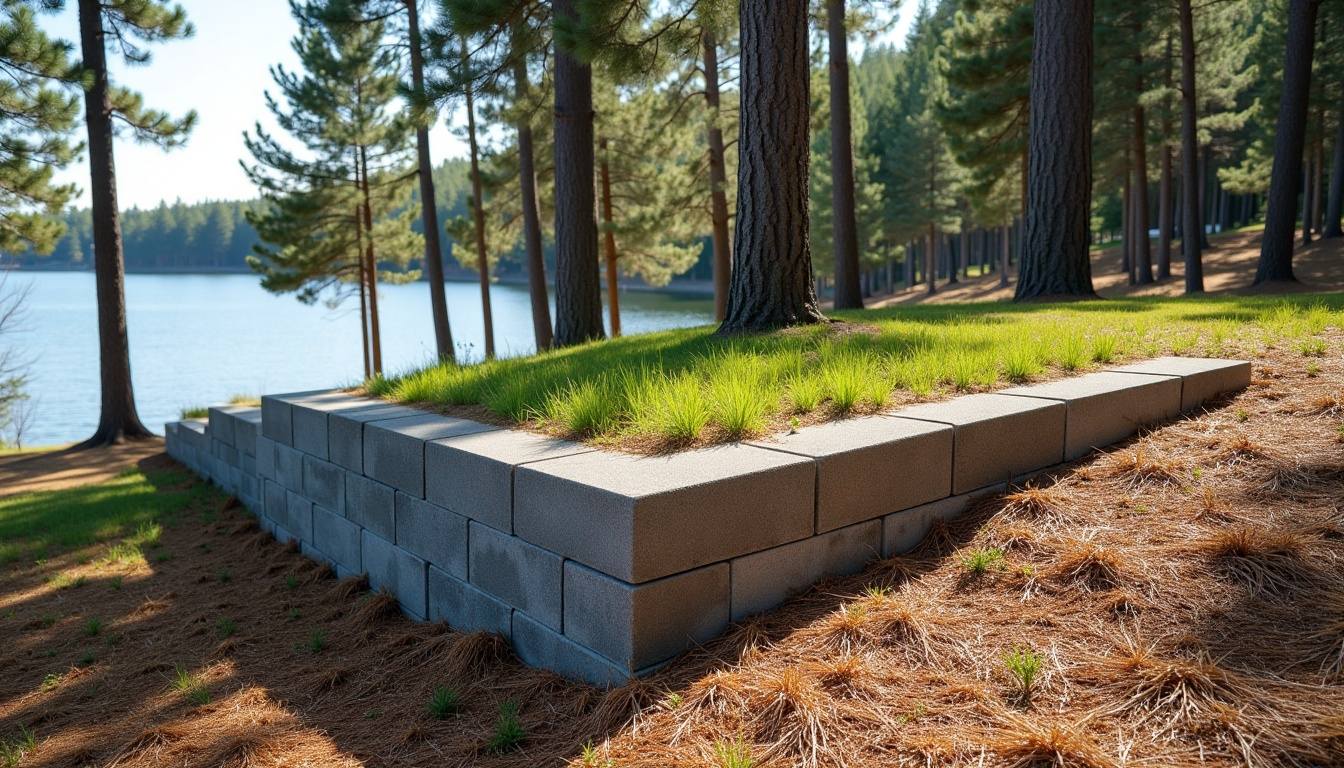
Lake Greenwood Lot Work in Coronaca
Retaining walls, graded drive approaches, patios and drainage, with a free quote.
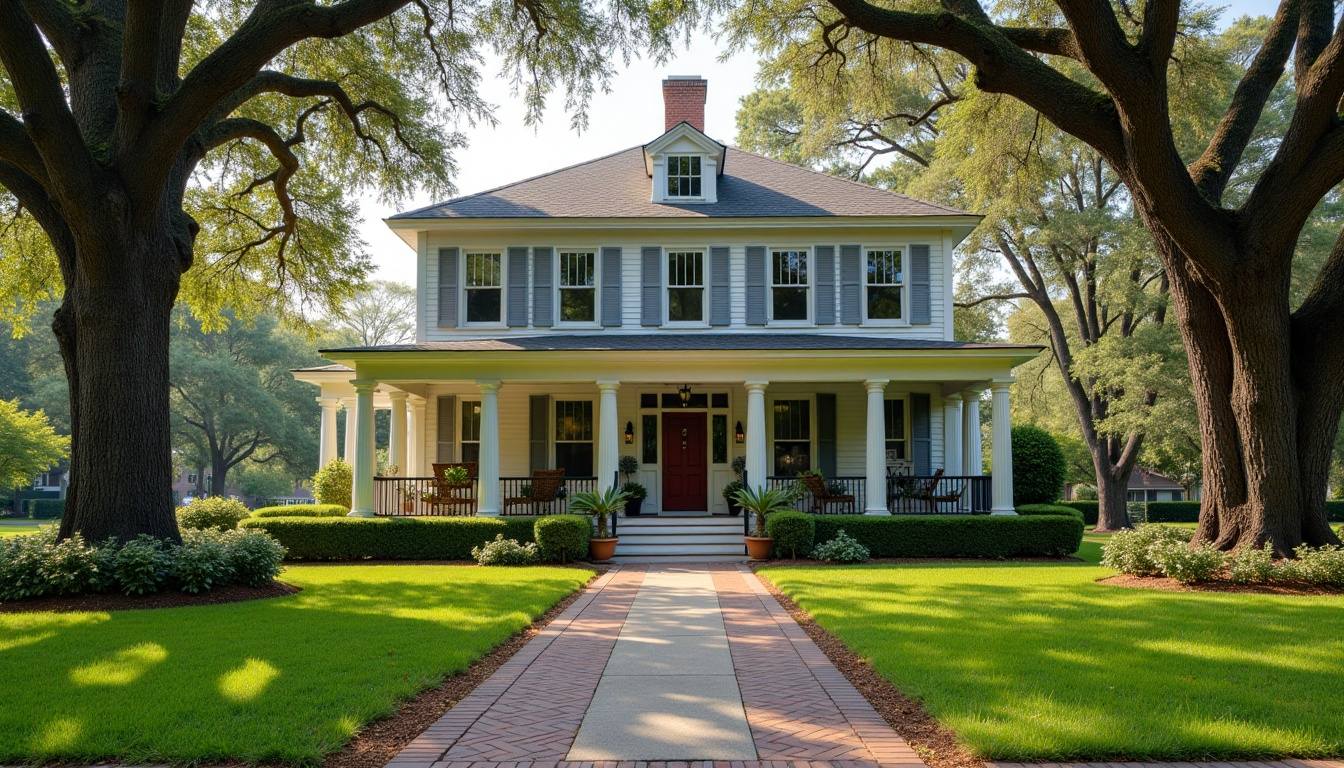
Careful Concrete Work in Abbeville
Careful concrete and stamped finishes for homes near the Court Square.
Start with a look at the space
Fill in the quote form with your name and phone number. In the message box, type where the concrete is going, about how large the area is, and any pattern or color you already have in mind. We will come out, measure, talk through the options and give you a free written quote.
Open 24 hours. Call any time or send the form.